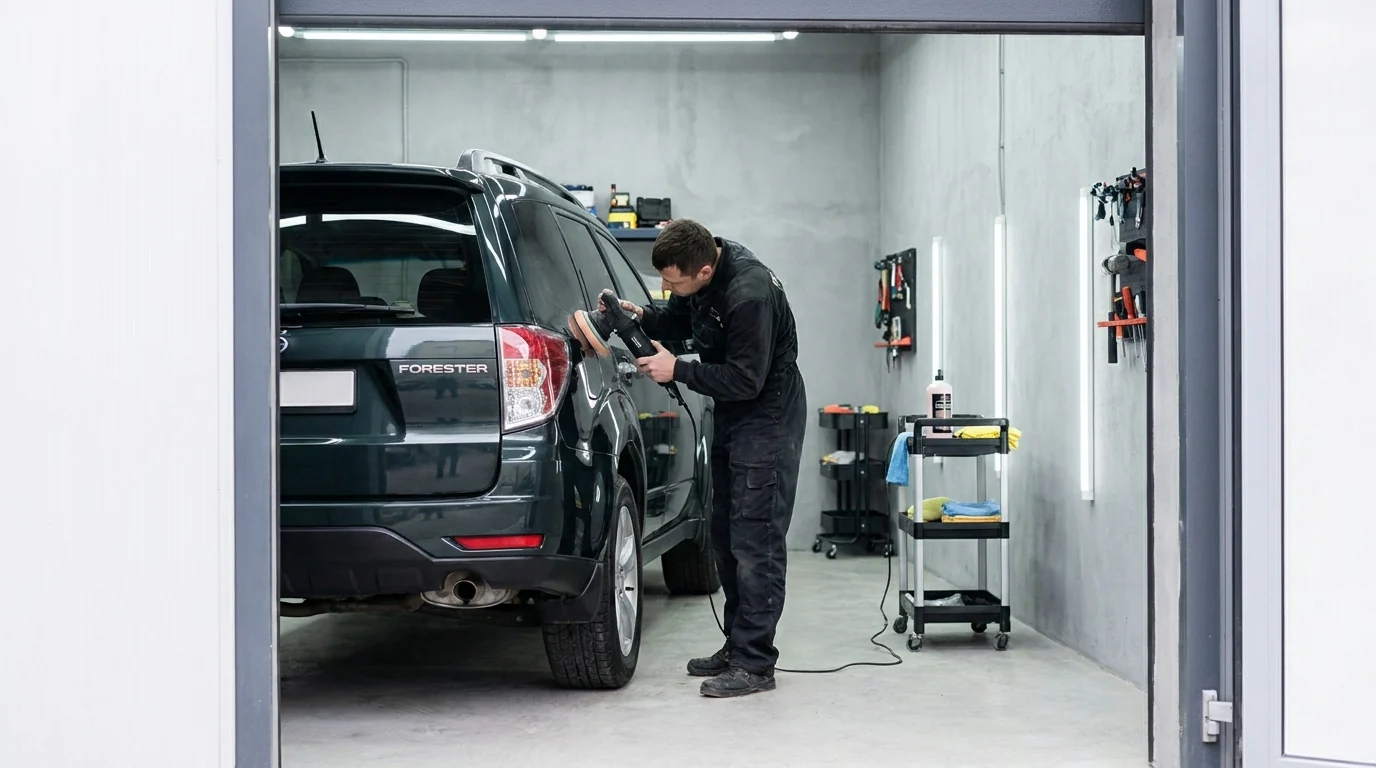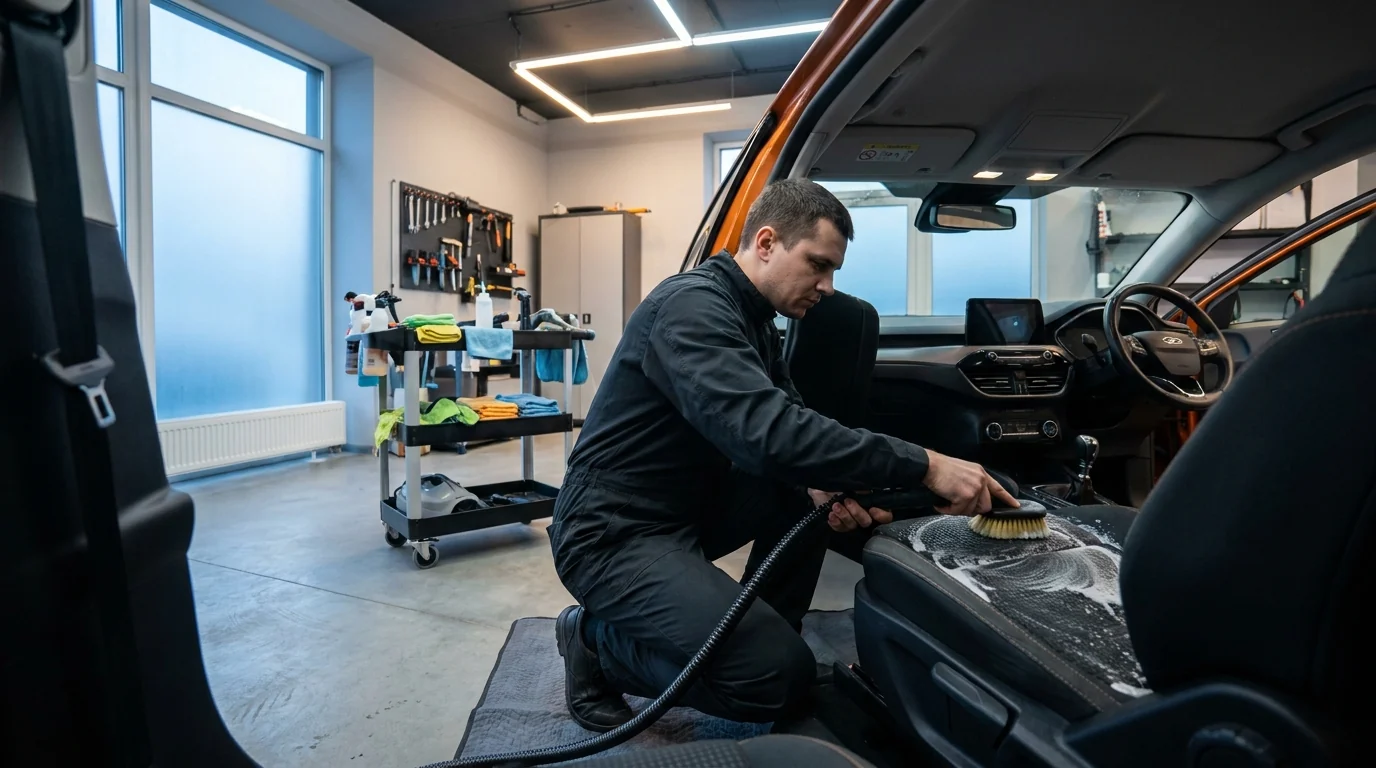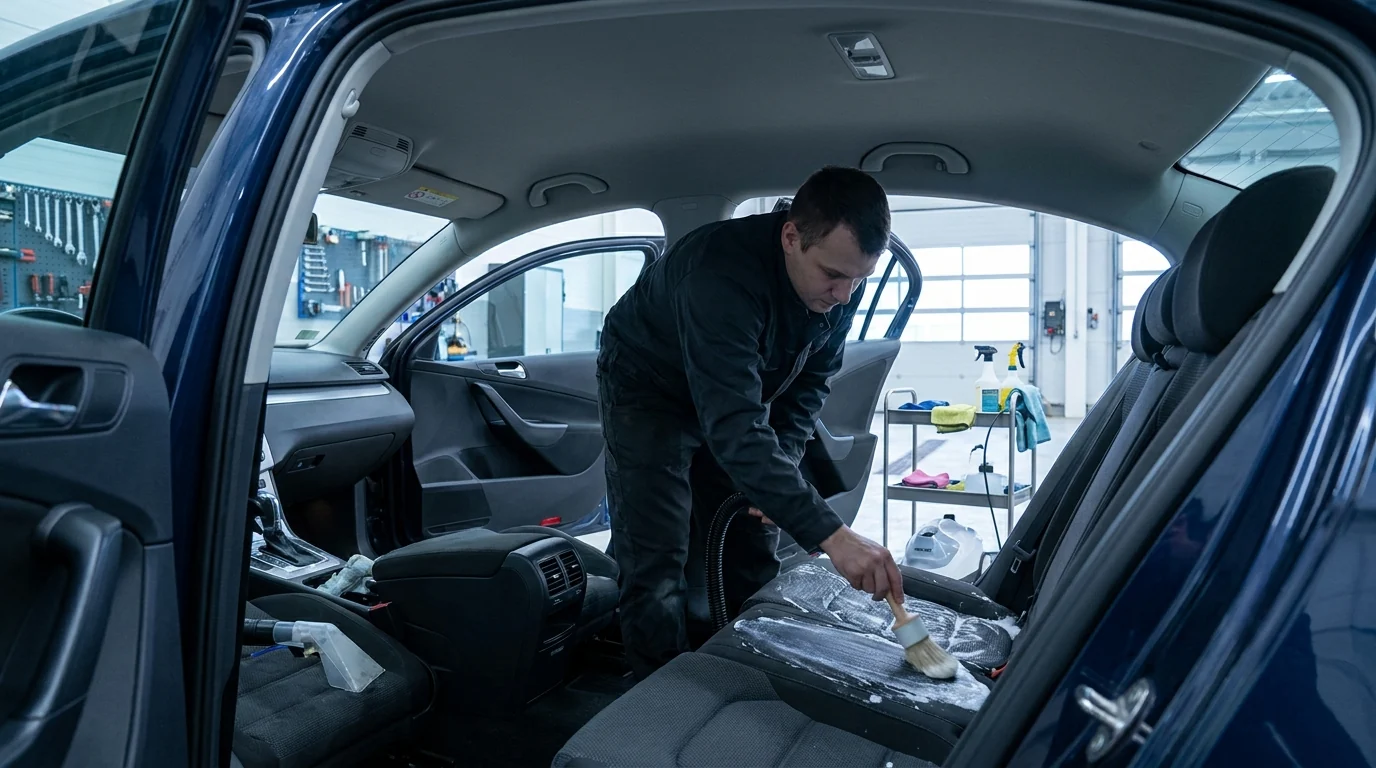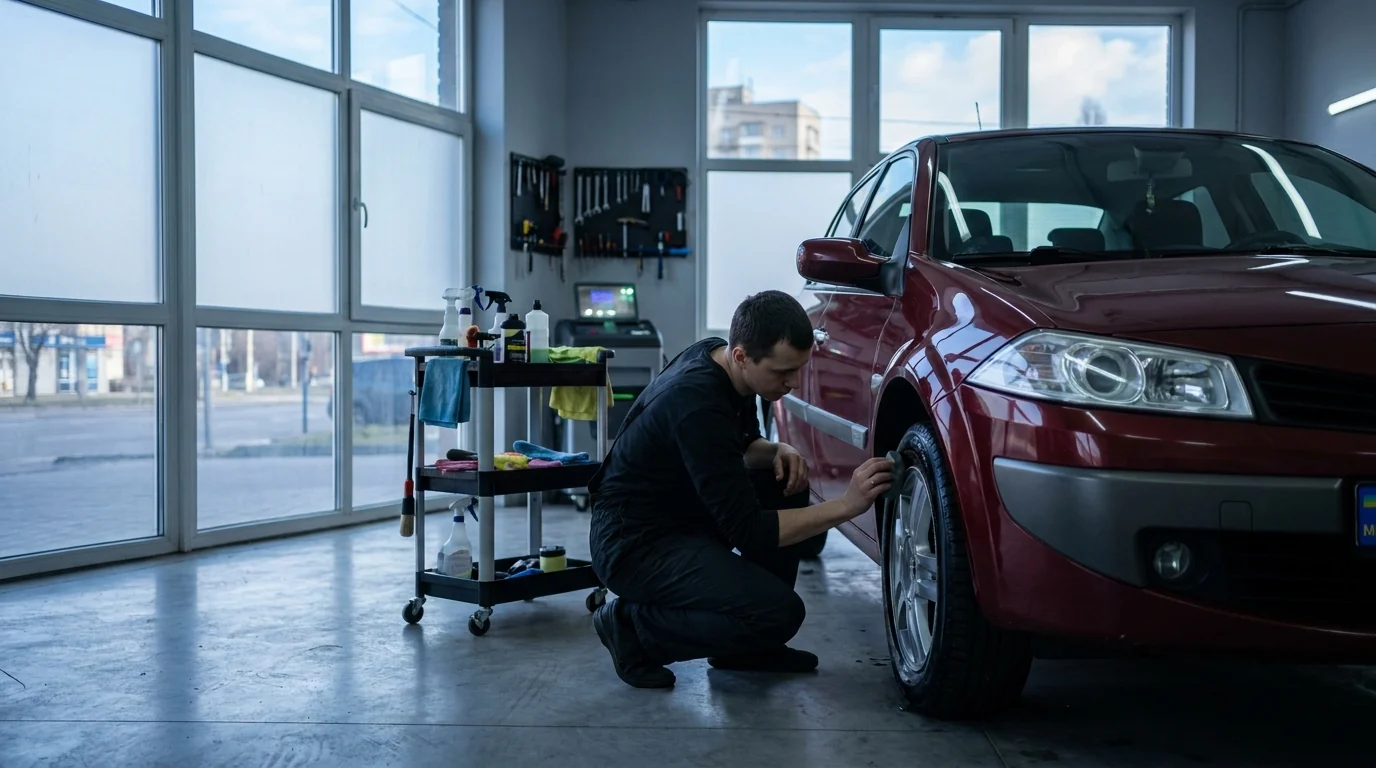
Tire dressing gel lasts longer and provides a richer, satin finish, while a spray is faster to apply but creates a less durable, often overly glossy effect. The choice depends on the desired result and operating conditions. A gel, applied to a thoroughly prepared surface, provides a better look and longer protection because its thick formula penetrates the micropores of the rubber more effectively. Sprays, especially aerosols, are more convenient for quick application but often get on the wheels and brake components, which is undesirable. Furthermore, their effect disappears more quickly under the influence of rain and road grime. Therefore, for a high-quality and long-lasting result, we recommend using gel-based products.
Why Bother with Tire Dressing at All?
Tire dressing is primarily an aesthetic procedure, the finishing touch that makes a car look visually complete and well-cared-for. After a quality car wash, gray, dusty tires spoil the overall impression. Applying a special product restores the rubber's deep, rich black color, as if it just came from the factory. This is especially noticeable in contrast with light-colored or freshly cleaned wheels. The car immediately looks more expensive and neater, as the wheels are a crucial part of its appearance.
Besides the visual effect, some high-quality dressing products also have certain protective properties. They create a thin layer on the rubber's surface containing conditioners and ultraviolet inhibitors. This helps protect the sidewalls from drying out and cracking under the sun's rays. Of course, it's not a panacea for rubber aging, but regular care can slightly slow down the loss of elasticity. This layer also has hydrophobic properties, meaning it repels water and dirt, helping the tires stay clean longer.
It's important to understand that dressing is not a repair. It will not hide deep cracks, bulges, or other damage. It is purely a cosmetic service that improves the appearance of healthy rubber. If the tires already show signs of serious wear or aging, no product will restore their safety. That's why at eMechanic, we always honestly assess the condition of the wheels and, if we see a problem, advise focusing on safety, not just looks. Proper care starts with cleanliness, so it's best to get tire dressing right after a full-service wash.

Never apply dressing products to the tire tread. This can make it slippery and dangerously reduce traction with the road, especially in the first few kilometers after application.
Spray vs. Gel: The Key Differences
There are two main types of dressing products on the market: sprays and gels. Sprays, especially in aerosol cans, are appealing for their speed and ease of application. You just spray the product on the tire's sidewall, and it instantly becomes black and shiny. However, this convenience has a downside. The main drawback of sprays is the lack of control. Fine droplets of the product inevitably land on the wheels, suspension components, and, most dangerously, on the brake discs and pads. This can temporarily reduce braking efficiency. Additionally, sprays create a thinner film that washes off more quickly with water and wears away.
Gels, on the other hand, require a more meticulous approach. They are applied using a special foam or microfiber applicator. This takes a bit more time but allows for complete control over the process. You apply the product exclusively to the rubber surface of the sidewall, without touching the wheels and brakes. Thanks to its thick consistency, the gel better fills the micropores and irregularities of the rubber, creating a thicker and more durable protective layer. This provides not only a longer-lasting effect but also a deeper, more natural satin finish, unlike the 'plastic' shine of many sprays.
Another difference lies in the composition. Many cheap sprays contain aggressive solvents and a large amount of silicone, which creates a sticky film. Such a surface attracts dust and dirt, and after a few days, the tire looks even worse than before treatment. Quality gels are more often water-based, are not as sticky, do not sling onto the bodywork while driving, and create a long-lasting well-groomed effect rather than a greasy shine. This is why professionals predominantly choose gels for detailing.
The best tire dressing is the one applied to perfectly clean rubber. Without that, both gel and spray are a waste of money.
Dressing will not hide cracks on old rubber. If you see a 'spiderweb' pattern on the sidewalls, it's a sign of aging, and you should think about replacing the tires, not just making them shine.
What Lasts Longer on Rubber in Real-World Conditions?
The unequivocal answer is that gel lasts significantly longer than spray. The reason lies in its physical properties and application method. The thick consistency of the gel allows it to form a denser and more elastic layer on the rubber's surface. It 'clings' better to the microscopic texture of the sidewall and is less prone to being washed off by water. A spray, however, creates a very thin film that is vulnerable to the first heavy rain or drive through a puddle.
However, the durability of any coating, whether gel or spray, directly depends on surface preparation. Applying a product to a dirty, dusty, or wet tire is a waste of time and money. Remnants of road grime, brake dust, and old chemicals will prevent the new layer from adhering properly. That's why professional dressing always begins with a thorough cleaning of the sidewalls with a brush and a special cleaner. Only on a perfectly clean and dry surface can the product work correctly and last as long as possible.
The actual lifespan of a tire dressing depends on many factors. Typically, the effect lasts for a few days or a few washes, but this is highly dependent on the product and the weather. In dry weather, the effect of a quality gel will last longer, while in the season of rain, slush, and frequent highway driving, this period is shortened. A spray in similar conditions might disappear after the first drive in the rain. Therefore, if you are looking for a long-lasting result, the choice is clearly in favor of gel. And to maintain the perfect look of the entire car, it's worth combining wheel care with a regular two-phase wash, which you can read about in our article What is a two-phase car wash and when do you need one.
How We Apply Dressing to Avoid Harming Wheels and Brakes
Our approach to the tire dressing service at 12 Tyraspilska Street is based on the 'do no harm' principle. We understand that improper application can lead to problems, so we strictly adhere to the proper technique. The first and most important stage is preparation. We thoroughly clean the sidewall of each tire, removing dirt, dust, and residues of old products. For this, we use special brushes and cleaners that are safe for rubber. After that, the tire is completely dried.
For application, we use a professional gel-based product with a moderate satin shine. This composition does not create a sticky film that collects dust. The work is done using a special foam applicator. This allows the technician to fully control the process and apply the gel in a thin, even layer exclusively on the rubber sidewall. We never use sprays to avoid accidentally getting the product on the wheel surface or, even worse, on the brake rotor.
We pay special attention to safety. The product is never applied to the tread — the working surface of the tire. Getting silicone-based compounds on the tread can make it slippery, which is dangerous, especially on wet roads. After application, we give the product a few minutes to be absorbed into the rubber, and then we remove any excess with a clean microfiber cloth. This ensures that the product will not sling onto the wheel arches and body of the car while driving, ruining the look after a fresh body polishing.
Three Major Myths About Tire Dressing That Drivers Believe
Myth one: 'Dressing restores old rubber and masks cracks.' This is the most common and dangerous misconception. No cosmetic product can restore the structure of old, cracked rubber. Dressing is makeup. It can temporarily make small surface 'spiderwebs' less noticeable, but it won't eliminate them. If the tire sidewalls are covered in a network of cracks, it indicates a loss of elasticity and structural degradation. Such rubber is dangerous and needs to be replaced, not dressed. Trying to 'rejuvenate' it this way is to ignore a serious safety problem.
Myth two: 'The shinier it is, the better and more expensive it looks.' In reality, an excessive 'wet' shine is often a sign of a cheap product based on a large amount of volatile silicones. Such a film is not only unnatural-looking but also extremely impractical. It's sticky, so it instantly collects all the dust from the road. Furthermore, such products have a tendency to 'sling' off while driving, leaving greasy spots on the bodywork. Professional detailing aims for a deep, satin, well-maintained look of new rubber, not a greasy shine.
Myth three: 'All tire dressings are the same, so you can just buy the cheapest one.' This is not true. The formulas can differ drastically. Cheap products often contain aggressive petroleum solvents that, with prolonged use, can dry out the rubber, accelerating its aging. Quality products, as a rule, are water-based and contain glycerin, polymers, and UV filters that are safe for the rubber and even provide some level of care. Therefore, saving money on the product can, in the long run, lead to the need to replace tires sooner.
Honest Advice: When to Skip Tire Dressing
The most honest repair is the one you didn't buy because you didn't need it. This also applies to detailing. There are situations where we directly advise a client not to spend money on tire dressing. The first case is when the rubber is in obviously poor condition. If there are deep cracks, 'bulges,' or signs of severe aging on the sidewalls, applying dressing is just masking a danger. We would rather draw your attention to the condition of the tires and advise you to think about replacing them, as safety always comes first.
The second situation is if you've just come from serious off-roading or plan to go there soon. Applying a product to tires that will be covered in a thick layer of mud in half an hour simply makes no sense. The effect will disappear instantly, and the money will be wasted. Tire dressing is a service for a well-maintained city car that enhances its cleanliness. Off-roading has different priorities.
And the third, most obvious case — dirty tires. It makes no sense to order dressing separately if you don't plan to at least minimally wash the wheels. Applying the product to a layer of dust and dirt will result in a blotchy, messy finish that won't last a day. The product simply won't be able to adhere to the surface. That's why we always recommend getting dressing as a final step after a wash or at least a thorough cleaning of the wheels themselves.
The Bottom Line
Tire dressing gel provides a longer-lasting and higher-quality result compared to a spray, creating a rich satin look without risk to your wheels and brakes. However, the key factor for any product is a perfectly clean and dry rubber surface — without this, the procedure is pointless. Remember that this is purely cosmetic care that will not restore old or damaged rubber. If you want to give your car a finished look, book an appointment with us at 12 Tyraspilska Street.
Frequently asked questions
Book in a minute —
Leave your number and we'll call back. Or share the details so the technician can prepare.
Book nowWhat clients say.
Honest Google reviews. Unedited.