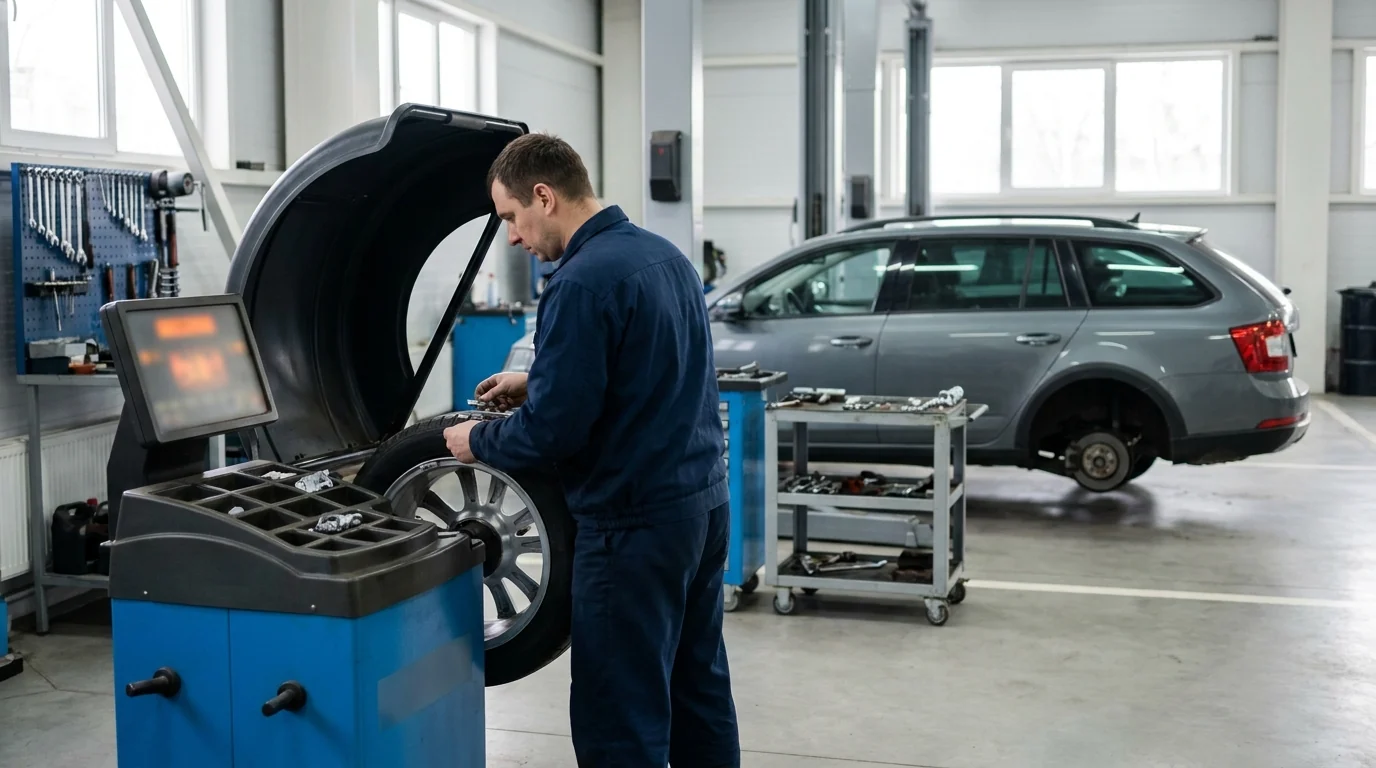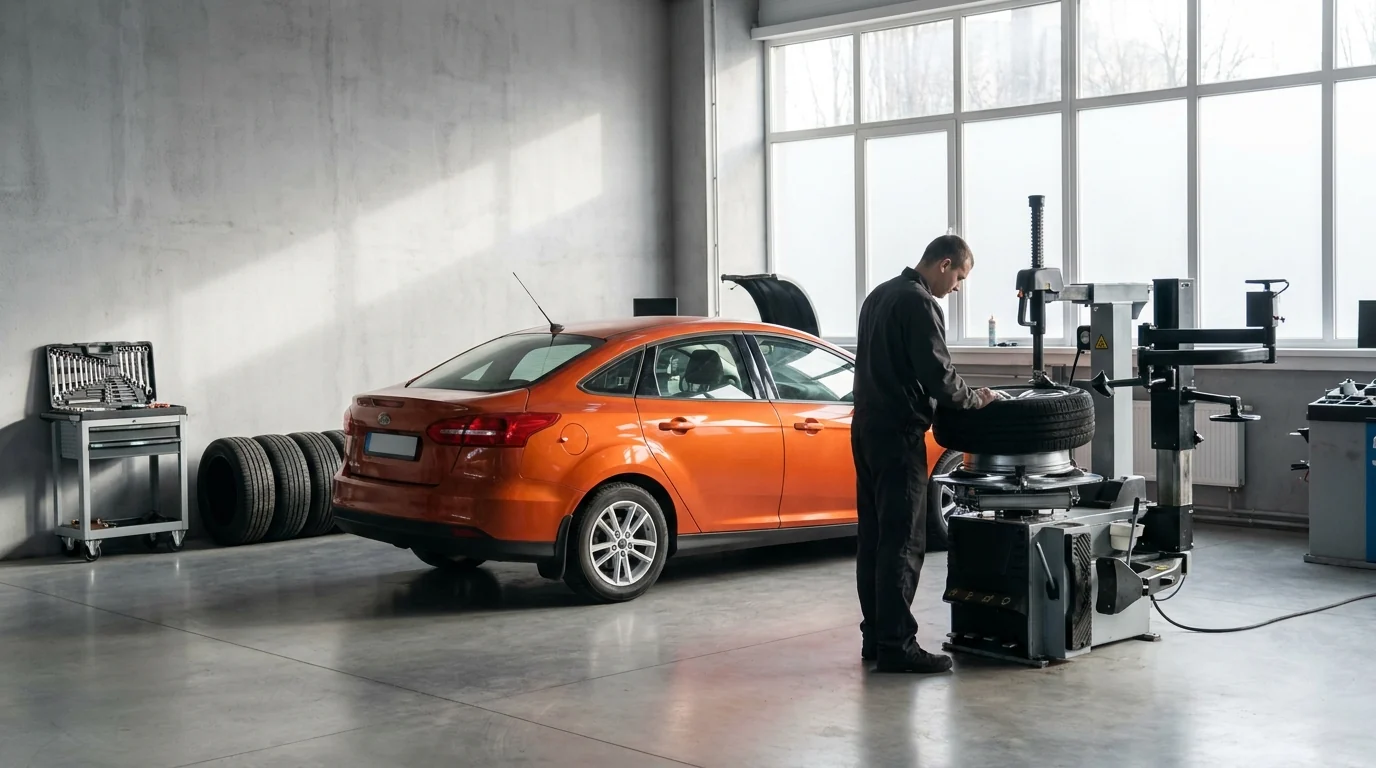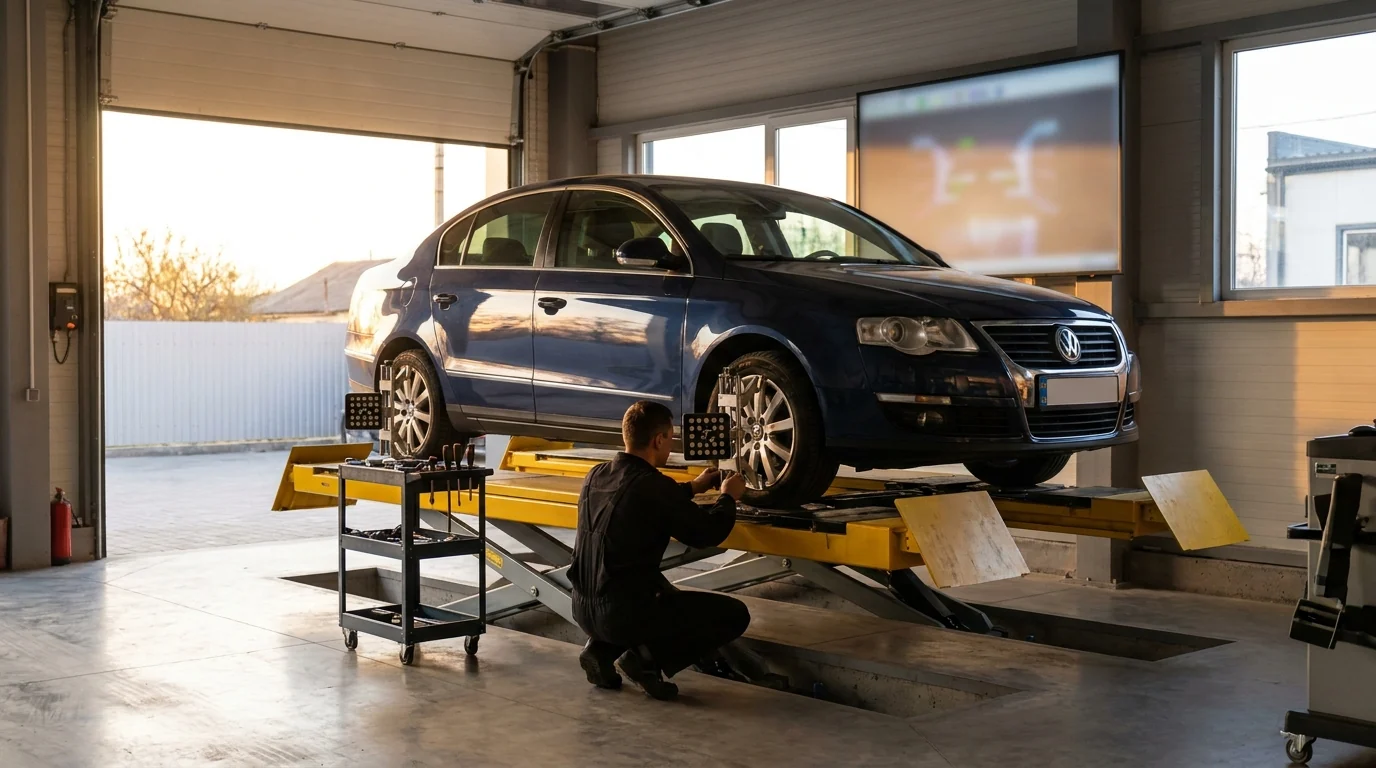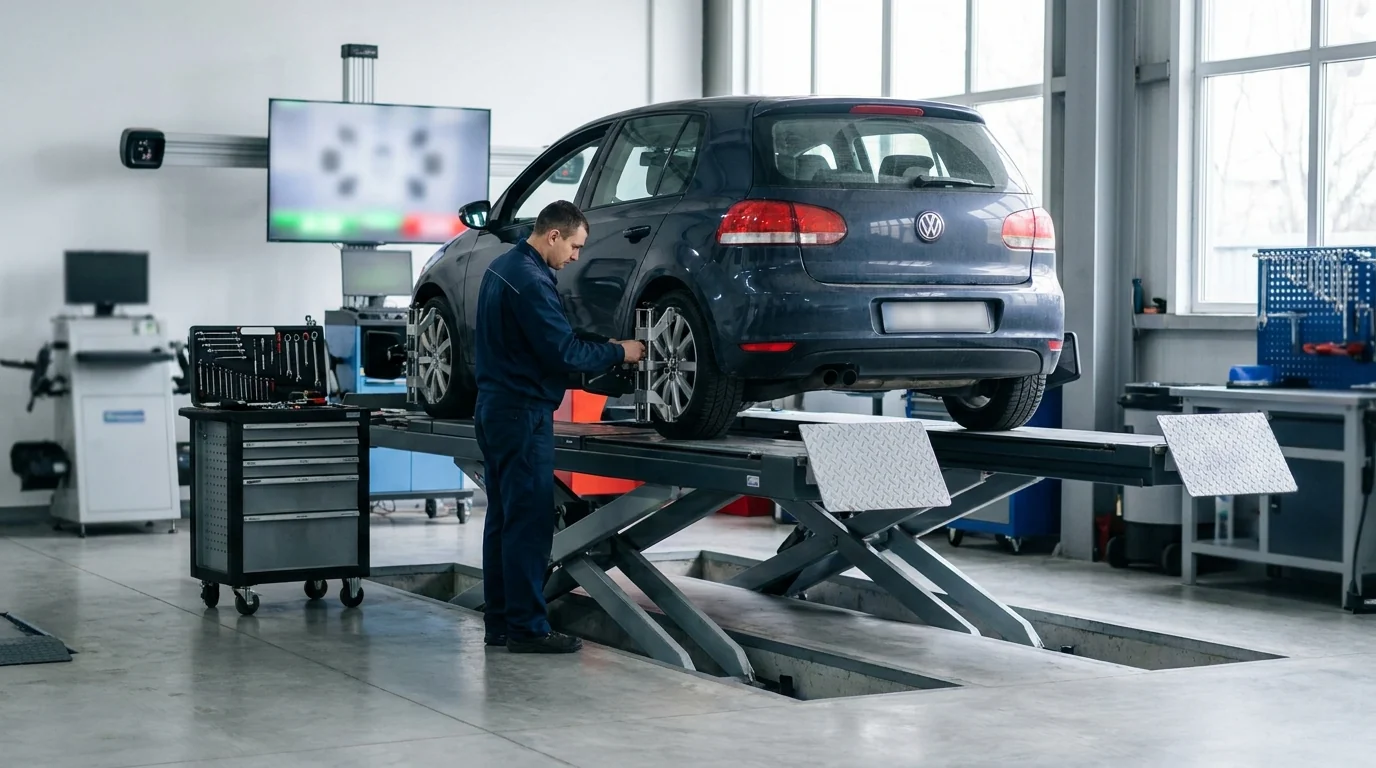
A wheel geometry adjustment is mandatory after any serious suspension work that alters the position of its key components. This primarily applies to replacing control arms, tie rods, bushings, the subframe, and restoring a vehicle after an accident, even if the damage seems minor. In such cases, a standard 3D wheel alignment is not enough, as the base mounting points for suspension elements may have shifted. The geometry adjustment procedure is specifically aimed at returning these base parameters to factory specifications. Otherwise, the car will be unstable on the road, pull to one side, and the tires will wear unevenly and very quickly. This isn't a preventive measure, but a restorative one that lays the foundation for subsequent precise wheel angle tuning.
Which Suspension Repairs Always Require a Geometry Adjustment?
Any intervention that changes the relative position of suspension elements requires a subsequent geometry check and, if necessary, correction. This is not just a recommendation but a technical requirement to ensure safety and proper vehicle handling. The most common case is the replacement of suspension control arms. A new arm, even an original one, can have microscopic differences in geometry that will immediately affect the wheel alignment angles, particularly camber and caster. The same applies to replacing control arm bushings, as they serve as pivot and mounting points.
The second major category is steering system repair. Replacing tie rods or their ends directly affects wheel toe. Even if a mechanic tries to set the length of the new tie rod by eye, matching it to the old one, achieving precision without an alignment rack is impossible. The result will be uneven tire wear on the inner or outer edge. An adjustment is also mandatory after repairing or replacing the steering rack, as its position is fundamental to the entire steering system.
The most complex cases involve replacing structural components like the subframe. The subframe is the foundation to which the control arms and steering rack are attached. Replacing it, or even temporarily removing it to access other components (like for engine or transmission repair), is guaranteed to disrupt the geometry. After such work, a full suspension geometry adjustment must be performed to restore factory parameters. And, of course, any accident involving an impact to the wheel, suspension, or side of the body is a direct indication for a thorough geometry inspection and restoration.
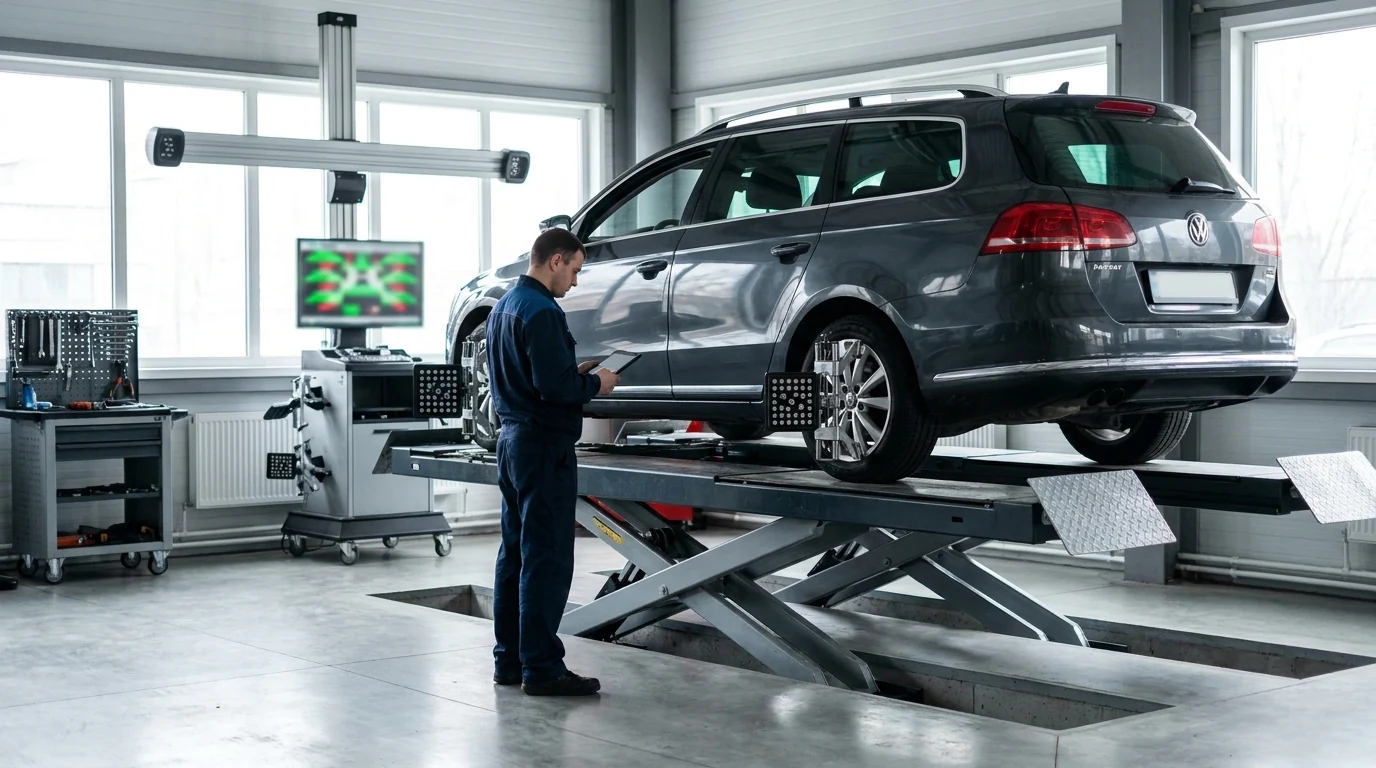
Geometry adjustment is not the same as a 3D wheel alignment. It's a more in-depth procedure to restore the suspension's factory parameters when standard adjustments are no longer effective.
Geometry Adjustment vs. Wheel Alignment: What's the Key Difference?
Drivers often confuse these two concepts, considering them synonymous, but they are fundamentally different procedures in terms of complexity and purpose. A standard 3D wheel alignment is the final tuning of wheel installation angles (camber, toe, caster) within the manufacturer's specified limits. The technician works with eccentric bolts and adjustment rods to get the parameters into the 'green zone' on the alignment rack. This procedure is effective when all suspension components are in good working order and in their proper places.
A geometry adjustment, on the other hand, is a step deeper. It's needed when, due to wear, damage, or component replacement, the suspension mounting points themselves have shifted, and the standard adjustments are no longer sufficient to bring the angles within spec. A typical situation: after a subframe replacement, the eccentric bolts are turned to their maximum position, but the camber is still in the 'red.' This is where geometry work begins—restoring the correct position of the subframe, control arms, and other components relative to the car's body.
You could say that geometry adjustment is restoring the suspension's 'foundation,' while a wheel alignment is the 'finishing touch.' Without a proper foundation, any finishing touches will be useless and short-lived. That's why at eMechanic, after serious repairs, we insist on first checking and restoring the geometry, and only then performing the final alignment on the rack. This is the only way to guarantee that the set angles will hold for a long time and the car will behave predictably on the road.
The most expensive wheel alignment is one performed on a faulty suspension. Fix the play first, then set the angles. Otherwise, it's money down the drain.
If a shop offers to 'pull' the geometry back into shape without replacing damaged components, be cautious. This is a temporary fix that doesn't guarantee safety or proper suspension performance. The right way is to replace worn or deformed parts first, then perform a precise adjustment.
A Checklist of Suspension Work That Requires an Angle Check
To make it easier for you to navigate, we've compiled a short checklist of jobs after which a visit to the alignment rack is mandatory. If you've had any of this work done, don't ignore the adjustment—it will save you money on new tires and future suspension repairs.
So, a geometry check is needed after: Replacing suspension control arms, both front and rear. Replacing bushings, especially control arm or subframe bushings. Replacing tie rods and/or tie rod ends, as this directly affects toe. Replacing or repairing the steering rack. Replacing shock absorbers or McPherson struts, as their position affects camber. Replacing springs, especially if the vehicle's ride height changes. Replacing the steering knuckle or wheel hub bearing. Replacing or temporarily removing the subframe. Any work involving the vehicle's structural body elements. After an accident, even if there is no visible damage to the suspension.
This list is not exhaustive, but it covers the vast majority of situations drivers encounter. The general rule is simple: if the replaced part affects the position of the wheel relative to the body, an angle check is necessary. If you're in doubt, it's best to consult with a mechanic.
Why Adjusting Geometry on a Faulty Suspension is Pointless
This is one of the most important rules we always explain to our clients. Adjusting angles on a suspension that has play is money thrown down the drain. Imagine trying to zero a precision optical scope on a rifle with a wobbly barrel. Any adjustment would be lost instantly. The same thing happens with a car's suspension.
If you have worn bushings, ball joints, wheel bearings, or tie rod ends, the wheel has a certain amount of free movement, or 'play.' When the car is on the alignment rack, the wheel might be in one position. The mechanic sets the angles perfectly. But as soon as you drive onto the road, under load (acceleration, braking, turning), the wheel shifts within that play, and all the settings are instantly thrown off. As a result, you pay for a service that has no effect.
Therefore, the correct algorithm is always as follows: first, a complete suspension diagnosis. Then, replacement of all worn components to eliminate any play. And only after the suspension is solid and fully functional can you take it to the alignment rack for geometry and wheel alignment. Only this approach ensures that the set angles will be stable and the vehicle's handling will be correct and safe. The best repair is one done in the right sequence.
The Cost of Neglect: Financial Consequences of Driving with Bad Geometry
Ignoring a proper angle adjustment after suspension repair is a direct path to significant and often unforeseen expenses. The very first and most obvious consequence is accelerated and uneven tire wear. If, for example, your camber is incorrect, the inner or outer part of the tread on a brand-new tire can be worn down in just a few thousand kilometers. The cost of a set of tires far exceeds the cost of a geometry adjustment, so the savings here are highly questionable.
The second aspect is increased fuel consumption. Wheels that are not properly aligned create additional rolling resistance. The engine has to work harder to maintain speed, which inevitably leads to an increase in the car's appetite for fuel. This might not be very noticeable on short trips, but over the course of a year, it adds up to a substantial amount.
Finally, the most dangerous and expensive consequence is the accelerated wear of other suspension and steering components. Incorrect angles create constant, uncalculated loads on wheel bearings, ball joints, and bushings. They start to fail much earlier than their expected service life, leading to new repairs. Thus, by skipping one procedure, you trigger a chain reaction of breakdowns that will ultimately cost much more.
How Long Do Set Angles Last After a Proper Adjustment?
We get this question very often. The answer is simple: on a completely healthy suspension, after a quality repair and professional adjustment, the set angles hold for a very long time. In fact, they will remain within specification until the next major suspension intervention or a strong mechanical impact.
What can throw off the settings? Most often, it's a hard impact on a wheel: hitting a deep pothole at speed, striking a curb, or going over a speed bump without slowing down. Such impacts can cause micro-deformation of a control arm, damage a bushing, or shift the subframe, which will immediately disrupt the perfect geometry. Angles can also gradually shift due to the natural wear of suspension components, but this process is usually slow and spread out over time, becoming apparent as the vehicle's mileage increases.
Therefore, we do not recommend performing a wheel alignment 'for prevention' too frequently if there are no direct indications for it. We covered how often you should get a wheel alignment and what signs indicate the need for a check in a separate article. The main takeaway is: if your car's suspension is in good shape and you drive carefully, one quality adjustment after a repair will last a long time. The stability of the angles is a direct indicator of the health of your suspension.
The Bottom Line
A geometry adjustment is mandatory after any significant suspension repair, such as replacing control arms, the subframe, tie rods, or after an accident. Unlike a standard wheel alignment, this procedure restores the suspension's base factory parameters. Adjusting angles on a faulty suspension with play is a waste of money, so a diagnosis and repair should always come first. If you notice your car pulling to one side after a repair, don't delay—schedule a geometry check.
Frequently asked questions
Book in a minute —
Leave your number and we'll call back. Or share the details so the technician can prepare.
Book nowWhat clients say.
Honest Google reviews. Unedited.